
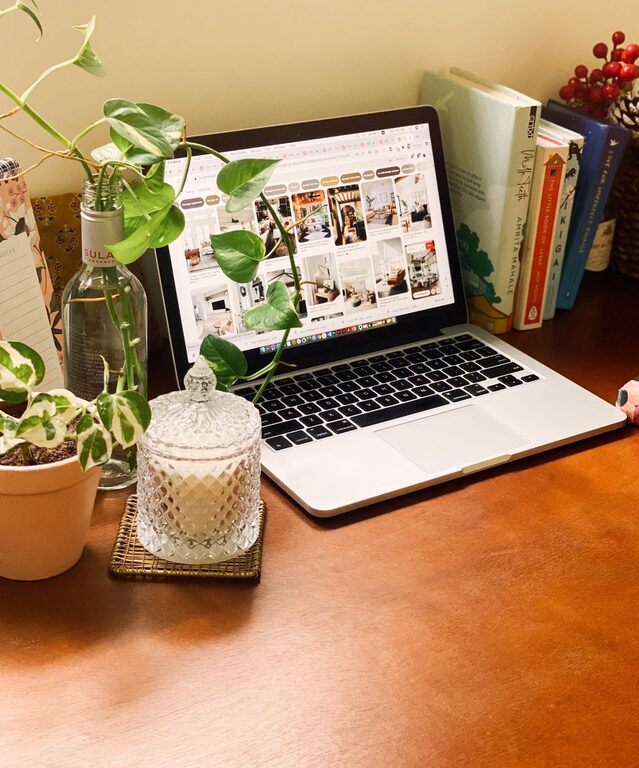
Creating a cozy and inviting home workspace is essential for anyone working remotely or spending significant time on projects at home. An environment that feels warm and welcoming can increase focus, reduce stress, and make work feel less like a chore. Whether you have a dedicated room or a small corner, these helpful ideas will guide you in designing a comfortable and productive workspace.
Choose the Right Location
The first step in creating an inviting home workspace is picking a spot that suits your needs and lifestyle.
– Natural Light: Select an area near a window to take advantage of natural daylight, which can improve mood and alertness.
– Quiet Space: Ideally, your workspace should be away from high-traffic zones to minimize distractions.
– Privacy: Consider a place where you can close the door or create a boundary if possible, enabling clear separation between work and leisure.
Invest in Comfortable and Functional Furniture
Your furniture plays a crucial role in making your space cozy and functional.
– Ergonomic Chair: Choose a chair that supports your posture to avoid discomfort during long hours.
– Desk Selection: Depending on your work style, pick a desk with enough surface area for your computer, notes, and any other essentials.
– Flexible Options: If you have limited space, consider multi-purpose furniture or wall-mounted desks.
Add Warm and Soothing Colors
Colors influence how we feel, so select tones that promote calm and concentration.
– Neutral Tones: Beige, soft grays, and pastels create a peaceful backdrop.
– Accent Colors: Add splashes of color through accessories like cushions, artwork, or stationery to inspire creativity.
– Consistency: Keep your color palette consistent to maintain harmony within the space.
Personalize with Meaningful Decor
Incorporate elements that make the workspace feel uniquely yours while avoiding clutter.
– Plants: Greenery adds life to your desk and can improve air quality.
– Art and Photos: Hang prints or photos that motivate or comfort you.
– Organizational Tools: Use stylish storage boxes, baskets, or shelves to keep your space tidy.
Optimize Lighting for Comfort and Productivity
Good lighting reduces eye strain and enhances the ambiance.
– Layered Lighting: Combine natural light with task lighting (like desk lamps) and ambient lighting (like floor lamps).
– Adjustability: Choose lamps with adjustable brightness and direction.
– Avoid Glare: Position your screen and light sources to minimize glare.
Keep Your Workspace Organized
A clutter-free environment promotes focus and efficiency.
– Declutter Regularly: Set aside a few minutes at the end of each day to tidy up.
– Use Storage Solutions: Drawer dividers, pen holders, and file organizers can keep essentials within reach but out of sight.
– Cable Management: Use cable clips or sleeves to prevent tangled wires.
Incorporate Comfort Elements
Adding cozy touches can make your workspace feel inviting and less sterile.
– Soft Textiles: Add a comfy cushion or a throw blanket to your chair.
– Aromatherapy: Use scented candles or diffusers with calming fragrances like lavender (ensure safety in your workspace).
– Temperature Control: A small fan or heater can help maintain a comfortable temperature.
Set Boundaries Between Work and Rest
Creating a psychological boundary helps maintain work-life balance.
– Clear Start and End Points: Design your routine so that you “arrive” and “leave” your workspace at set times.
– Workspace Only: Try to keep this area dedicated to work to encourage focus.
– Break Space: Incorporate a spot nearby where you can step away to rest.
Technology and Connectivity
Ensure your workspace supports your technical needs efficiently.
– Reliable Internet: A stable connection reduces frustration.
– Charging Stations: Keep chargers organized and accessible.
– Noise Control: Use noise-canceling headphones or ambient sound apps if needed.
Final Thoughts
Creating a cozy and inviting home workspace is about balancing comfort, functionality, and personal style. When your workspace feels good to be in, it can enhance your well-being and productivity. Start with one or two changes and gradually build a space that supports your best work every day.