
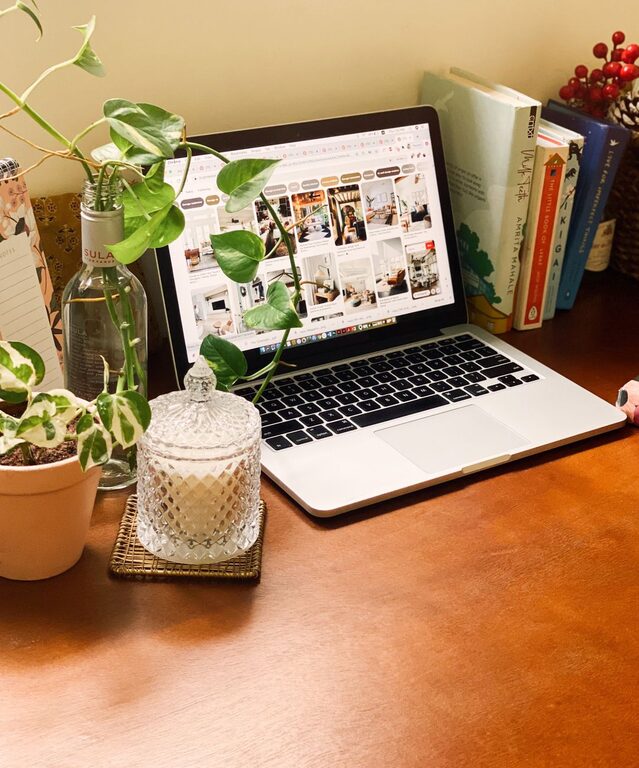
Creating a cozy and inviting home workspace is essential for maintaining productivity and comfort while working from home. Whether you have a dedicated room or a small corner in your living area, thoughtful design choices can transform your space into an inspiring and comfortable work environment. In this post, we will explore practical tips to help you design a home workspace that feels both cozy and efficient.
Why a Cozy Workspace Matters
Spending long hours at your home office means your workspace impacts not only productivity but also your overall well-being. An inviting area can reduce stress, improve focus, and make your workday more enjoyable. Comfort doesn’t mean sacrificing function—by balancing both, your workspace becomes a place where you naturally want to spend time.
Choosing the Right Location
Consider Natural Light
Natural light boosts mood and energy levels, so try to position your desk near a window if possible. If natural light is limited, invest in good quality lighting that simulates daylight. Adjustable desk lamps or soft LED bulbs can help reduce eye strain.
Minimize Distractions
Select a quiet corner or room that allows for concentration. If space is limited or you share a home, use room dividers or noise-canceling headphones to create a sense of separation.
Furniture and Layout
Comfortable Seating
Invest in a chair that supports good posture. Ergonomic chairs can prevent back pain during long work sessions. Comfort is key, but so is maintaining proper support.
Desk Space
Choose a desk that fits your work needs. Make sure it has enough surface area for your computer, notepad, and any other essentials. Adjustable desks or standing options can add flexibility and encourage movement.
Layout Tips
Arrange your workspace so that frequently used items are within easy reach. Keep your primary work surface clear of clutter to maintain focus.
Personalizing Your Workspace
Colors and Decor
Use colors that inspire calm and creativity. Soft neutrals, pastels, or subtle earth tones work well for many people. Add personal touches like artwork, plants, or photos to make the space feel welcoming.
Plants and Greenery
Indoor plants add life and improve air quality. Low-maintenance options like succulents or spider plants can brighten your workspace without requiring much care.
Organizing for Efficiency
Declutter Regularly
Keep your desk and surrounding area tidy. Use desk organizers, trays, or drawers to store supplies and paperwork. A clutter-free space minimizes distractions and enhances productivity.
Cable Management
Manage cords with clips or sleeves to prevent tangling and maintain a neat appearance.
Adding Comfort Elements
Soft Textiles
Incorporate soft rugs, cushions, or throws to add warmth and texture. These elements can make your workspace feel more like an inviting part of your home.
Temperature Control
Ensure your workspace stays at a comfortable temperature. A small fan or heater can help if the room tends to be too hot or cold.
Technology and Tools
Essential Devices
Keep your technology up to date and functioning well. Consider investing in accessories like an external monitor, ergonomic keyboard, or noise-canceling headphones.
Cable-Free Zones
Use wireless devices where possible to reduce clutter and improve flexibility.
Break Areas
Including a small area for breaks can enhance productivity. A cozy chair or a spot by the window can offer a place to rest your eyes and recharge.
Final Thoughts
Creating a cozy and inviting home workspace doesn’t require a large budget or a dedicated room. With thoughtful choices about light, furniture, organization, and personal touches, you can craft a space that helps you work efficiently and feel comfortable. Remember, the best workspace is one that supports your unique work style and encourages you to do your best every day.