
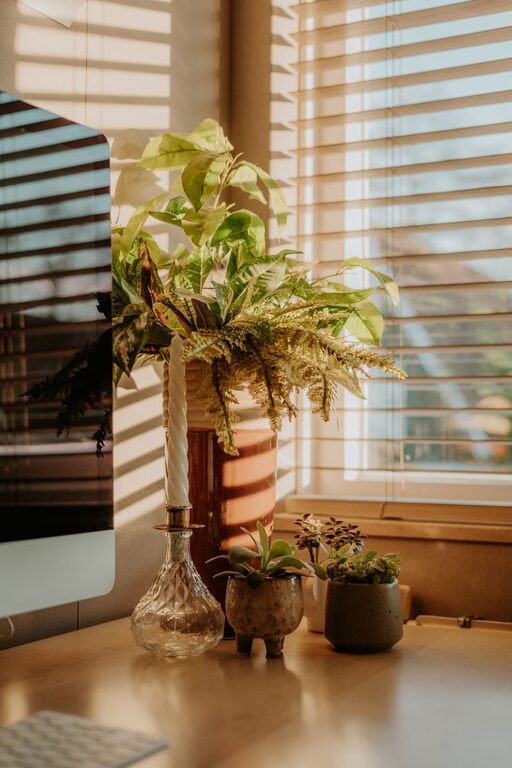
Creating a relaxing home office environment is essential for maintaining focus, reducing stress, and boosting productivity. Whether you work remotely full-time or occasionally need a quiet space for tasks, designing a comfortable and peaceful workspace can make all the difference. This guide offers practical tips to help you transform your home office into a calming haven.
Choose the Right Location
Start by selecting the ideal spot for your home office. Ideally, it should be a quiet area with minimal distractions, away from heavy household traffic. If a separate room isn’t available, consider a corner with physical dividers or room screens to define your workspace.
Optimize Natural Light
Natural light has a positive effect on mood and energy levels. Position your desk near a window to take advantage of daylight. Avoid placing your monitor directly in front of the window to reduce glare. If natural light is limited, supplement with warm white LED bulbs that mimic daylight.
Invest in Comfortable Furniture
Ergonomics matter for both comfort and health. Choose a supportive office chair that encourages proper posture and reduces fatigue. Your desk should be at a comfortable height to avoid strain on your wrists and shoulders. Consider adjustable desks if you prefer alternating between sitting and standing.
Declutter and Organize
A cluttered workspace can contribute to stress and make it harder to focus. Keep your desk tidy by using organizers such as trays, drawers, and cable management tools. Regularly clear out unnecessary items and only keep essential tools within reach.
Use Relaxing Colors and Décor
Colors influence mood and productivity. Soft, neutral tones like light blue, green, beige, or pastels promote calmness. Add personal touches like plants, art, or meaningful objects that inspire positivity without creating visual clutter.
Incorporate Plants and Natural Elements
Indoor plants not only improve air quality but also add a soothing touch to your office. Easy-care plants like succulents, snake plants, or pothos require minimal maintenance. Natural materials such as wood or stone in furniture and décor can also enhance the calming atmosphere.
Manage Noise Levels
Background noise can decrease concentration. Use noise-canceling headphones if you are in a noisy environment. Playing soft instrumental music or white noise can help mask distracting sounds. If possible, add rugs or curtains to absorb sound in the room.
Maintain a Pleasant Temperature and Airflow
An uncomfortable temperature can distract and frustrate. Keep your workspace well-ventilated with fresh air and maintain a comfortable temperature, ideally between 68°F and 72°F (20°C and 22°C). Use fans or heaters as necessary.
Set Boundaries and Work Hours
A relaxing office is not just physical but also mental. Define your working hours and stick to them to separate work and personal life. Inform family members of your schedule to reduce interruptions. Having clear boundaries helps reduce stress and increases productivity.
Add Personal Comfort Items
Include a few comforts like a cozy blanket, a small cushion, or a favorite mug nearby. These little touches make your space more inviting and help you relax during breaks, contributing to overall well-being.
Use Technology Wisely
Optimize your tech setup to reduce frustration. Ensure your internet connection is reliable. Keep cables organized and invest in accessories like a good keyboard, mouse, or external monitor to reduce strain. Regularly update your software and remove distractions like unnecessary notifications.
Take Breaks and Move
Even the most relaxing office won’t help if you sit for hours without breaks. Schedule short breaks to stretch, walk, or relax your eyes. Use reminders or apps that encourage movement and mindfulness during the workday.
—
By following these tips, you can create a home office environment that supports your focus, creativity, and well-being. Remember, a relaxing workspace is a personal space—tailor yours to what helps you feel calm and motivated.